Neurodiversity in the classroom
Discover practical strategies to support neurodiverse learners and create an inclusive, responsive classroom for every student.


Discover practical strategies to support neurodiverse learners and create an inclusive, responsive classroom for every student.
Creating neurodiverse-friendly classrooms requires specific strategies that accommodate different learning styles and cognitive approaches. Implementing neurodiversity practices involves adapting your teaching methods, classroom environment, and assessment techniques to support students with conditions like ADHD, autism, dyslexia, and other neurological differences. These practical adjustments not only help neurodivergent students thrive but also enhance learning outcomes for all pupils by recognising that every brain processes information differently. The key lies in understanding which evidence-based techniques work best and how to smoothly integrate them into your daily teaching routine.
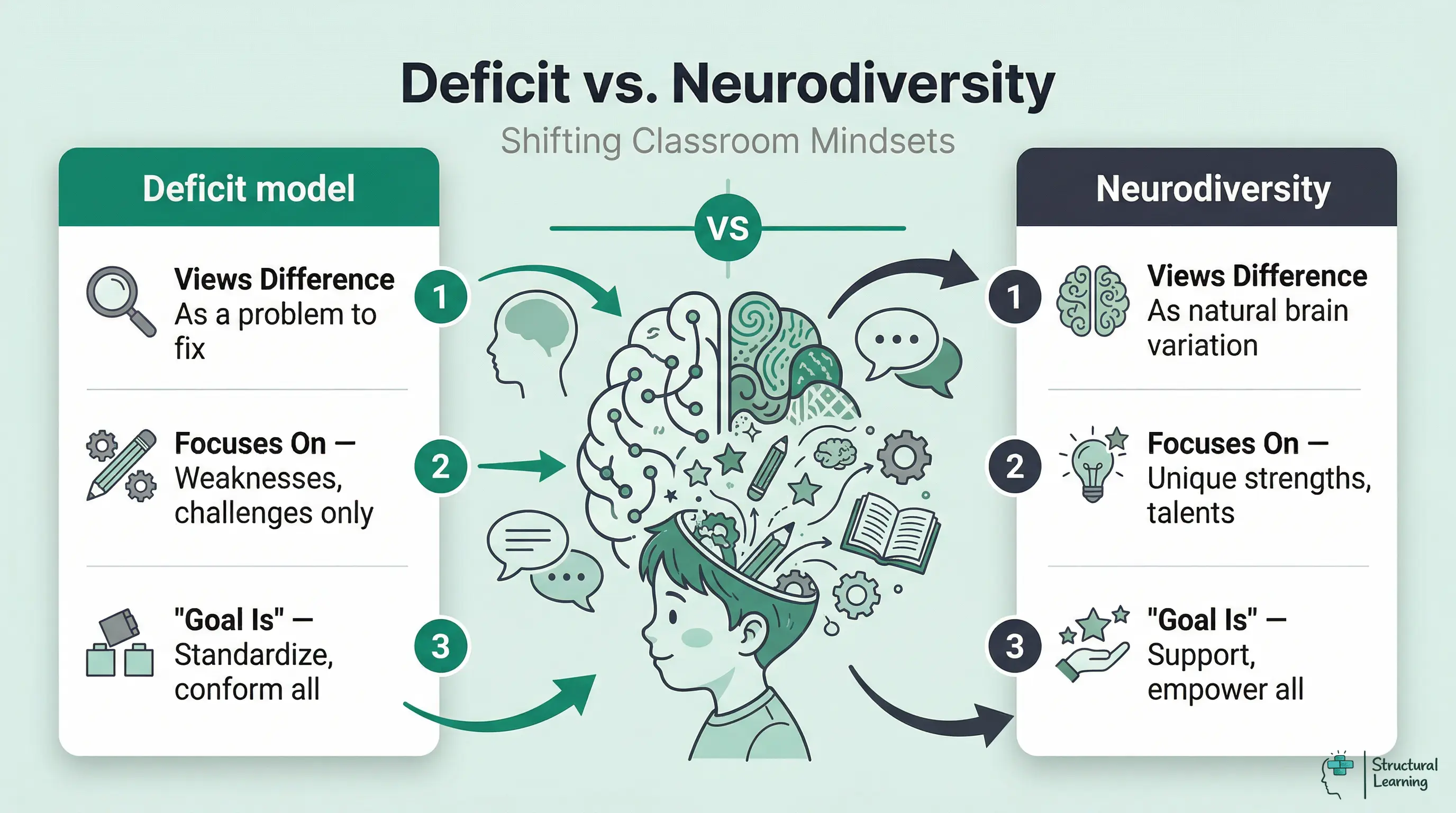
This article explores transformative classroom practices that can redefine how we perceive education through a neurodiverse lens. From shifting mindsets about diverse learning styles to implementing flexible teaching strategies, educators have the tools to cultivate inclusive environments. Join us as we examine into how these practices not just reshape classroom dynamics but also prepare students for a world that values diverse perspectives.
Neurodiversity celebrates the natural variations in how people think and process information. This concept includes conditions like autism spectrum disorder, ADHD, and dyslexia. Understanding neurodiversity and SEN emphasises recognising and appreciating these neurological differences.
Key Features of Neurodiversity:
The goal is to accept individual needs without judgment. By acknowledging both the differences and challenges, we can better support neurodivergent people. This involves celebrating their unique strengths and creating supportive and inclusive environments.
In schools, this means tailoring education to meet diverse learning needs. An inclusive classroom benefits everyone by reflecting a wide range of human diversity. Cultivating an inclusive environment can improve the learning experience for both neurodivergent learners and neurotypical students. This approach creates a supportive school community, enhancing each student's opportunity to succeed.
Neurodiversity in education benefits all students by creating inclusive environments that celebrate different ways students learn and cognitive approaches. When teachers embrace neurodivergent students' unique strengths, it promotes creativity, innovation, and empathy throughout the entire classroom. This approach moves beyond traditional one-size-fits-all models to enable every student's potential.
Embracing neurodiversity in education acknowledges the unique strengths and challenges of individuals with neurological differences, such as autism, ADHD, and dyslexia. The neurodiversity movement advocates for recognising neurological differences as natural variations, rather than deficits, akin to categories like ethnicity and gender.
Thomas Armstrong’s work emphasises that embracing neurodiversity can lead to recognising and unleashing the unique contributions of individuals with differently-wired brains. Effective inclusive classroom management relies on understanding and integrating neurodiversity to address the diverse needs of all learners. Creating a classroom environment that values neurodiversity requires proactive measures, such as involving social scaffolding to support neurodivergent students, particularly during social activities.
Teaching about neurodiversity in the classroom helps neurodivergent students feel included and understood by their peers, reducing social isolation. This understanding encourages a sense of camaraderie and acceptance, which can be pivotal for their emotional well-being. Implementing relaxation exercises and creating a calming classroom atmosphere can significantly alleviate anxiety for neurodivergent students, developing better learning readiness. These strategies help provide a nurturing space that supports learning.
Recognising and nurturing the unique strengths and talents of neurodivergent students, such as creativity and problem-solving abilities, helps build their self-confidence and engagement. Encouraging these skills allows them to shine in areas they feel passionate about. Tailoring teaching strategies to fit the diverse needs of neurodivergent students promotes an inclusive classroom environment that values each student's potential. This personalised approach can make learning more effective and enjoyable.
The neurodiversity approach promotes the acceptance of neurological differences as natural variations, helping neurodivergent students to thrive by emphasising their individual strengths. By shifting focus from limitations to possibilities, educators can enable the full potential of each student, allowing them to contribute meaningfully to the classroom setting.
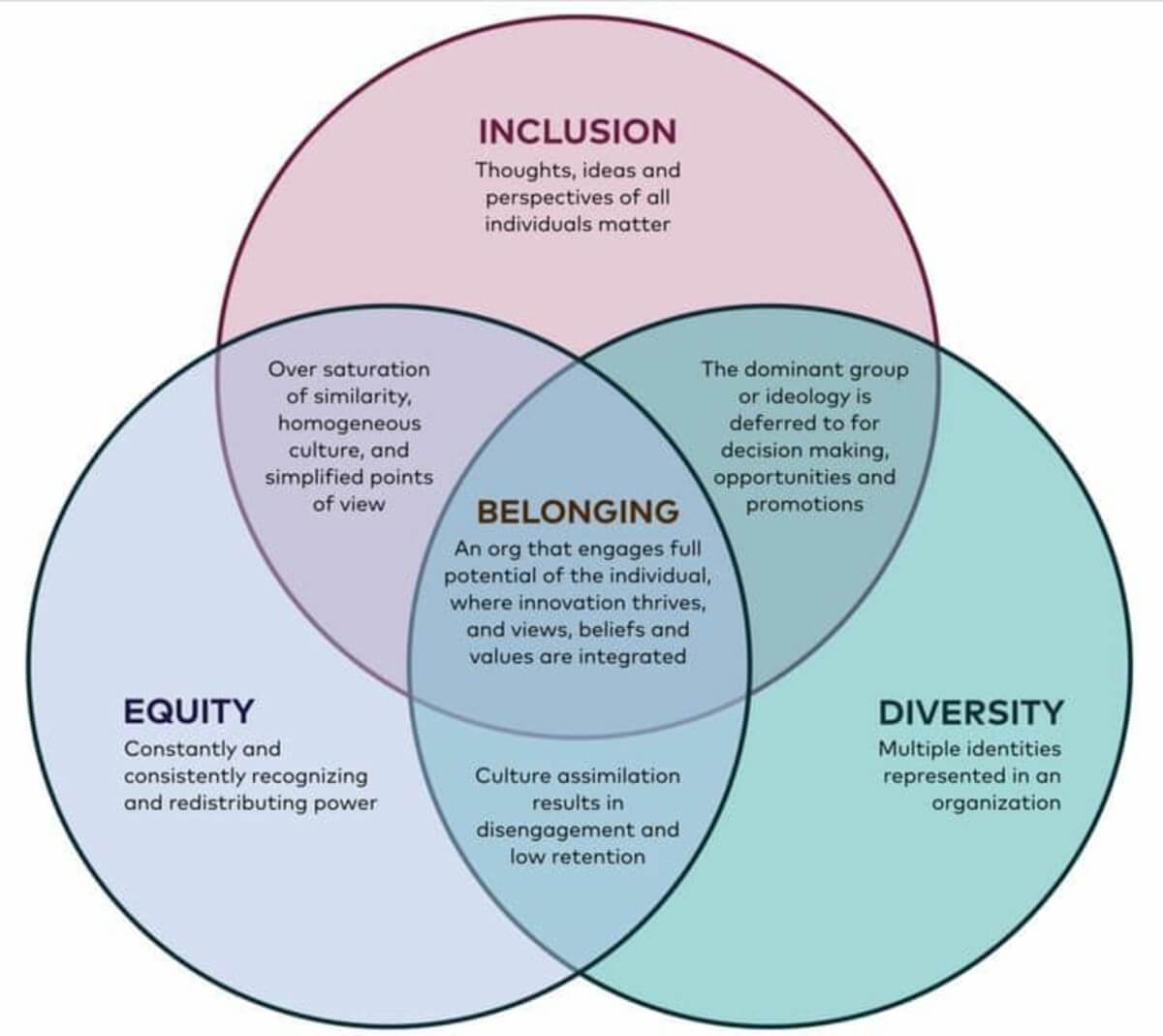
Embracing neurodiversity in the classroom encourages educators to recognise the unique strengths and contributions of individuals with neurological differences, promoting a more inclusive learning environment. This teaching approach supports all learners by introducing them to varied perspectives and problem-solving methods. recognising neurodiversity allows all students to be appreciated for their distinctive abilities, developing a sense of belonging and validating diverse learning and behavioural styles. It helps to affirm that diversity enriches the learning community.
Understanding neurodiversity can help overcome the challenges that neurodiverse students face, enabling them to thrive in educational settings that traditionally did not accommodate their needs. This environment supports a positive educational process for everyone involved. Educators who adopt neurodiversity principles in teaching practices contribute to societal change by valuing human diversity, potentially improving academic and social outcomes for all students.
Addressing the unique needs of neurodiverse students by creating accommodating environments can enhance the overall classroom experience. Both neurodiverse and neurotypical students benefit from exposure to diverse perspectives and teaching methods. This inclusive approach prepares students for real-world situations, where working alongside a diverse group is often required and valued.
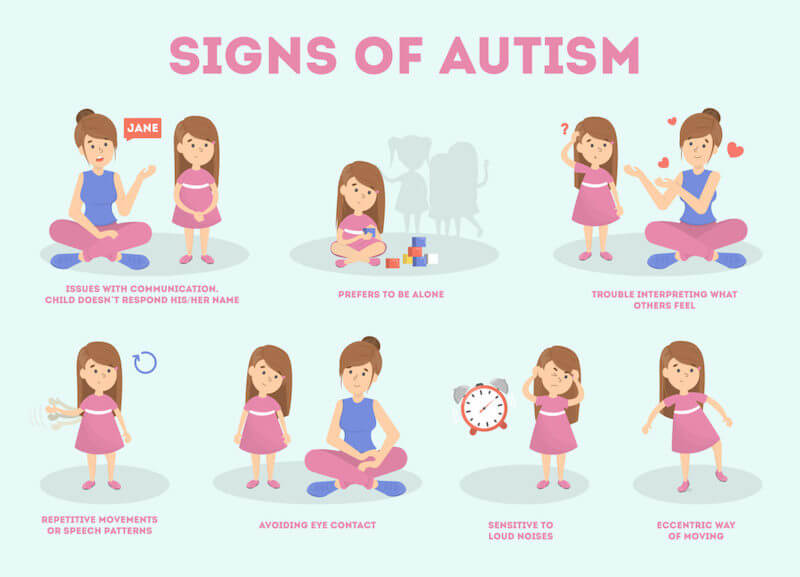
Teachers can recognise neurodiversity through careful observation of learning patterns, social interactions, and sensory responses without waiting for formal diagnoses. Key indicators include different processing speeds, unique problem-solving approaches, and varied attention spans or focus preferences. Effective recognition focuses on identifying strengths and learning profiles rather than deficits.
Neurodivergence shows up in many forms, and recognising these profiles helps educators respond to the individual rather than rely on labels. By observing how different learners engage with tasks, communicate, and navigate their environments, teachers can adapt support to build on strengths and address challenges. Below are common neurodivergent profiles educators may encounter, along with tailored strategies to promote inclusion and growth.
1. Autism Spectrum Condition (ASC)
Students with ASC may prefer predictable routines, benefit from low-stimulus environments, and find abstract language or group dynamics challenging. Structured visuals, sensory rooms, and predictable transitions reduce anxiety. Lego therapy and sand tray therapy can support social interaction and emotional expression through play and storytelling.
2. Attention DeficitHyperactivity Disorder (ADHD)
ADHD affects impulse control, focus, and working memory. Learners may need movement, novelty, and clear boundaries. Use trauma-informed senso ry circuits, visual timers, and task chunking to support regulation and productivity. Seating near the teacher and flexible task completion options help maintain engagement.
3. Dyslexia
Dyslexia impacts reading and spelling but is often paired with creative thinking and oral storytelling strengths. Use multisensory phonics, coloured overlays, and audio tools to support literacy. Colourful semantics can also support sentence construction and comprehension through visua l scaffolds.
4. Dyspraxia (DCD)
Students with dyspraxia may struggle with motor planning and coordination. Visual step-by-step guides, concrete task modelling, and breaking activities into manageable chunks can reduce overload. Allow alternative ways to record work (e.g. Voice notes or typing) and provide tools like pencil grips or sloped boards.
5. Dyscalculia
Learners with dyscalculia benefit from tangible, abstract-to-concrete learning approaches. Use number lines, counting cubes, and real-life contexts to build number sense. Consistent visual models and hands-on practise are key to developing confidence and fluency.
6. Dysgraphia
This profile affects handwriting and the organisation of written work. Offer speech-to-text tools, graphic organisers, and extra time for tasks. Incorporate multisensory pre-writing activities, and focus on reducing cognitive loadby separating planning and transcription stages.
7. Tourette Syndrome
Tics are involuntary and often exacerbated by stress. Maintain a calm, understanding tone and avoid drawing attention to them. Provide private breaks if needed and educate peers to creates acceptance. Offer quiet corners or sensory toolkits to help with self-regulation.
8. Sensory Processing Differences
These learners may be over- or under-responsive to stimuli. Introduce sensory rooms, flexible seating, and trauma-informed sensory circuits for grounding. Fidget tools, noise-cancelling headphones, and dimmable lights can make the classroom more accessible.
9. Pathological Demand Avoidance (PDA)
PDA learners experience anxiety in response to demands. Avoid power struggles by using low-arousal communication, humour, and collaborative choices. Sand tray and play-based methods like Lego therapy can offer indirect but meaningful routes to learning.
By recognising and supporting neurodiverse learners through flexible, sensory-aware, and play-based strategies, educators create inclusive classrooms where every student can thrive, academically and socially and emotionally too.
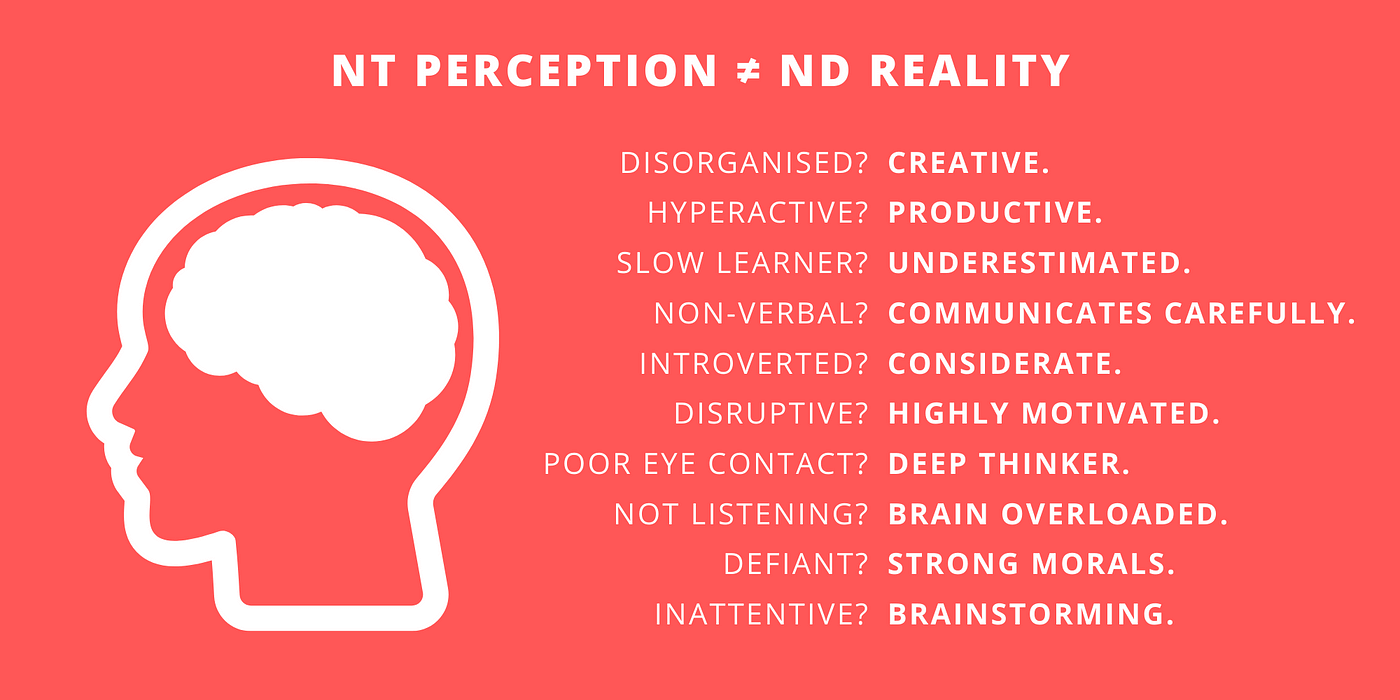
Teachers need to shift from viewing neurodivergent traits as problems to fix towards celebrating them as natural variations that bring valuable perspectives. This involves moving beyond deficit-based thinking to strength-based approaches that recognise hidden talents and alternative ways of learning. The key change is seeing diversity as an advantage rather than a challenge to overcome.
In recent years, educational practices have embraced a shift towards recognising the uniqueness of every brain. This mindset change is crucial for creating classroom environments where all students, including neurodiverse students, can thrive. Instead of viewing accommodations as optional extras, they should be seen as beneficial for everyone. This encourages educators to view all students as capable learners with unique strengths and potential.

By developing an inclusive environment, schools can enhance inclusivity in education and promote a sense of belonging. Implementing systems for nonverbal assistance and alternatives to public speaking helps reduce anxiety. This promotes independence and adaptability, allowing neurodivergent learners to feel more comfortable and engaged. Embracing neurodiversity means moving beyond mere accommodations; it celebrates differences and improves educational experiences for all students.
Traditional compliance-based assessment methods can sometimes hinder the potential of neurodivergent students. These methods often focus too much on memorization and standardised tests. Moving beyond this approach means recognising the individuality of students and finding alternative assessment strategies. Portfolio assessments, project-based learning, and self-reflection give students the chance to demonstrate their knowledge in diverse ways.
This not only highlights their unique strengths but also provides a richer understanding of their abilities. In an inclusive education setting, neurodivergent and neurotypical students alike benefit from these varied assessment methods. They creates creativity, critical thinking, and self-confidence. Shifting the focus towards these methods not only aids neurodivergent people but enhances the classroom experience for all, creating a truly inclusive classroom environment.

Effective strategies include flexible instruction methods, multi-sensory learning approaches, and providing multiple ways for students to demonstrate knowledge. Visual aids, structured routines, and choice in learning activities help accommodate different processing styles and attention spans. These adaptations benefit all learners while specifically supporting neurodivergent students' success.
Transformative teaching strategies prioritise personalised learning, which emphasises the talents and problem-solving skills of neurodivergent individuals. These approaches cultivate a growth mindset, enhancing motivation and engagement for students with autism, ADHD, dyslexia, and other neurological conditions. An inclusive classroom doesn't just support neurodivergent learners but enriches the learning process for everyone by promoting human diversity. Through these methods, educators creates a supportive environment that values every student's contributions.
Visual supports are essential tools in an inclusive learning environment. They aid neurodivergent learners in grasping and retaining concepts by illustrating information visually. Pictures, diagrams, and color-coding help make abstract ideas more tangible. These tools can improve comprehension by linking structured language with engaging visuals. Offering information in multiple formats, verbal, written, and visual, is vital for reinforcing learning for all students. This approach offer multiple ways for students to engage and enhances everyone's understanding. For neurodivergent students, using a graphic syllabus, as well as charts and graphs, can make complex ideas stick. Visual learning tools, like multimedia presentations, can engage students who might struggle with auditory information, ensuring that the learning environment is truly inclusive.
Flexible seating arrangements contribute to an inclusive classroom setting by addressing the sensory needs of neurodivergent students. Standing desks, exercise balls, and beanbags allow for gentle movement, which can be crucial for focus and comfort. Allowing students to choose between different seating options helps cater to diverse sensory needs, decreasing behavioural issues and enhancing engagement. Preferential seating enables neurodivergent students to sit where they can focus best, such as closer to the teacher or away from distractions. Employing universal design principles, including flexible seating, benefits all students. It caters to both diagnosed and undiagnosed needs, providing an environment that supports a wide range of learning preferences and needs.
Multi-modal teaching approaches enhance inclusivity in neurodiverse classrooms by integrating various learning techniques. These methods include visual, auditory, and kinesthetic approaches, providing alternatives to traditional learning. Incorporating different teaching methods can reduce anxiety for neurodivergent students, making learning more engaging. By offering nonverbal communication options and personalised learning supports, teachers can create a more predictable and stable learning environment. Multi-modal strategies help develop organisational skills and time management by tailoring tasks to individual learningstyles. By embracing these approaches, educators creates a classroom culture that not only accommodates but celebrates neurodiversity. This enriching environment benefits all students, acknowledging and embracing human diversity in education.

Create inclusive environments by establishing clear routines, reducing sensory overload, and offering quiet spaces for students who need breaks. Flexible seating options, visual schedules, and calm-down corners help accommodate different sensory and attention needs. Small environmental changes like adjusting lighting and minimising distractions can significantly impact all students' learning experiences.
An inclusive learning environment embraces the diversity of our student population. It recognises a natural range of variations in how people think and learn. This is essential for supporting neurodiverse students. Effective classroom strategies involve understanding these differences. Neurotypical and neurodivergent students may differ in how they process information and interact socially.
By focusing on the strengths and challenges each student has, we can create supportive spaces. Flexible management strategies, like positive reinforcement, help students thrive. In places like the UK, resources such as LEANS raise awareness about neurodiversity. They work to integrate this understanding into schools, helping all students appreciate individual differences.
Teachers play a crucial role in developing inclusive education. They should work with students, families, and colleagues to craft supportive environments. recognising diverse strengths is vital for students’ success. Professional learning offers teachers a chance to adapt and create accommodations suited for neurodivergent learners.
Collaborating in teams, with both general and special education teachers, can enhance learning through peer support. Teachers can benefit from including statements about accommodations in their syllabi. This practise emphasises accessibility and ensures neurodivergent students know the support available. By being adaptable and aware, teachers create classrooms where all students can excel.

Universal Design for Learning (UDL) provides a comprehensive framework that offers multiple means of representation, engagement, and expression. The SAMR model helps integrate technology to support diverse learning needs and processing styles. These frameworks emphasise proactive planning that anticipates and accommodates learning differences from the start.
Educators play a crucial role in creating an inclusive classroom setting. A practical framework tailored to neurodiverse students can enhance their educational encounter. Educators can use manipulatives and interactive lessons, which help in understanding and retention for neurodivergent learners. Establishing predictable routines is essential for neurodivergent children, especially those with ADHD, as it helps them stay focused during the school day. Flexible seating arrangements and movement breaks are also vital. They assist in maintaining engagement and concentration. Incorporating universal design features and flexibility creates an inclusive environment. This approach supports neurodivergent people effectively. Building positive relationships with students and involving parents strengthens support systems for neurodivergent learners. Such practices ensure that neurodivergent students have a fulfiling opportunity in their education.
Developing personalised learning plans is key to meeting the unique needs of neurodiverse learners. These plans should consider each student's social cues and triggers to prevent distress. Tailored lesson plans ensure educational content accommodates various neurodivergent conditions. Educators should work closely with students, parents, and staff to create inclusive environments. This collaboration recognises each student's learning preferences and strengths. Adjusting curricula by modifying workloads can boost engagement and accessibility. Personalised instruction helps neurodivergent learners thrive. By adapting teaching strategies to align with wide-ranging learning styles, educators can develop effective plans. This approach enables students, including autistic students, to reach their full potential and enjoy a more enriching school experience.
Encouraging peer support systems in schools creates an inclusive atmosphere for neurodivergent students. Collaborative team teaching can be effective. It unites general and special education teachers to creates inclusive learning environments. Group work also encourages collaboration among students. These activities make learning meaningful and increase student engagement. Positive reinforcement is another tool that enhances peer support. recognising achievements boosts self-esteem and motivation among neurodiverse learners. This recognition enriches classroom dynamics, promoting supportive peer interactions. Teachers can further aid students by matching those with complementary skills. This method allows learners to benefit from each other's strengths. Such collaborations make classroom environments more inclusive and supportive, offering equal learning opportunities to all students.

Address resistance by sharing research on improved outcomes for all students when neurodiversity practices are implemented. Start with small, manageable changes that demonstrate clear benefits before introducing larger systemic shifts. Professional developmentand peer collaboration help build confidence and competence in inclusive teaching methods.
In the educational landscape, embracing neurodiversity involves a significant shift in understanding. This approach recognises neurological differences as natural and valuable. However, implementing this shift in schools presents challenges. Educators must overcome resistance and misconceptions that arise. Ensuring meaningful inclusion requires everyone, teachers, students, and staff, to appreciate diverse experiences. This approach reduces barriers like bullying and isolation. Additionally, effective collaboration among school staff is crucial. Co-teachers must build relationships based on respect and trust to address diverse learning needs. A neurodiversity-affirming classroom demands a gradual change in mindset. It involves valuing both the strengths and struggles of neurodiverse students. Creating such an environment is not immediate and requires shared commitment from educators.
Neurodiversity shifts the focus from seeing neurological differences as deficits to celebrating them as natural variations. This approach challenges traditional views, promoting a more inclusive understanding. The movement de-stigmatizes neurodivergence, developing acceptance and self-awareness. recognising neurodiversity as part of human diversity is crucial. It is akin to how society views ethnicity or gender, encouraging inclusive practices. Educators are key players in this transformation. By valuing the strengths of neurodivergent students, they counter stigma and prejudice. Such efforts are vital in developing an environment where all learners thrive.
Measure success through multiple indicators including student engagement levels, academic progress across different ways students learn, and classroom climate surveys. Track both quantitative data like test scores and qualitative observations such as student confidence and participation rates. Regular feedback from students, parents, and colleagues provides comprehensive insight into programme effectiveness.
Embracing neurodiversity in the classroom creates a positive environment for all students. It allows each student to use their unique strengths, making them feel valued and supported. Teachers and school staff must share a commitment to these practices for them to be effective. recognising both the strengths and challenges of neurodiverse students is crucial in promoting their academic success. By nurturing skills like creativity and problem-solving, students build self-confidence and feel they belong.
Neurodiverse students often face unique challenges that can affect their classroom engagement. Sensory overload and social skills difficulties may hinder their participation in class activities. Teachers can employ strategies like positive reinforcement to boost self-esteem. This increases motivation and improves engagement. Group activities that pair complementary skills, such as creative and analytical thinkers, can also enhance learning. Educators play a pivotal role in accommodating diverse learning styles. Their efforts, combined with those of students, parents, and staff, create supportive environments. This teamwork results in improved engagement and academic success for neurodiverse students.
Neurodivergent students may encounter social challenges that impact their long-term development. Teachers who develop strong bonds with these students creates an inclusive environment. Such support can encourage self-acceptance and improve relationships. Structured routines in class help students with ADHD focus better and enhance their academic performance. When schools collaborate with parents, they gain insights into a child's unique needs. This partnership bridges home and school, supporting student growth. Incorporating diverse learning materials also enriches comprehension and creates a love for learning. These practices contribute to the overall development of neurodiverse students, supporting them throughout their education.
Essential resources include research-based books on Universal Design for Learning, professional development courses on inclusive education, and guidance from special education specialists. Online communities and educational organisations provide current strategies and peer support for implementing neurodiversity practices. Academic journals and case studies offer evidence-based approaches for different classroom contexts.
The following studies show how increasing awareness, building inclusive curricula, and promoting peer understanding can help neurodivergent children better adapt and succeed in school settings.
1. Learning About Neurodiversity at School (LEANS Programme)
Alcorn et al. (2024) evaluated the LEANS classroom programme, designed to teach mainstream primary pupils about neurodiversity. The programme significantly improved children’s understanding of neurodiversity and increased positive attitudes and intentions towards neurodivergent peers. This study demonstrates how structured whole-class interventions can create more inclusive and supportive classroom cultures.
2. Promoting Social-Inclusion Through the 'In My Shoes' Programme
Littlefair et al. (2024) adapted the Australian "In My Shoes" intervention for UK primary schools to enhance participation and school connectedness for neurodivergent students. Stakeholder feedback supported linking the programme to the PSHE curriculum and emphasised its role in developing emotional and social development among children aged 8-10.
3. Neurodiversity and Inclusive Education Through Music Therapy
Moya-Pérez et al. (2024) conducted a systematic review showing that music therapy interventions in early childhood education promote emotional regulation, communication, and social integration for neurodivergent students. The review supports the use of therapeutic and pedagogical strategies to enhance classroom inclusion and academic success.
4. Neurodivergent Students in English Language Lessons
Ubaque-Casallas (2024) reflected on teacher education practices supporting neurodivergent learnersin English language classrooms. The study highlights the shift from instrumen tal lesson planning to a more humanizing, inclusive pedagogy that acknowledges autism as a unique neurocognitive perspective.
5. Adolescents Advocating for Neurodiversity Through Design Thinking
Schuck and Fung (2024) studied a summer camp where high school students used Universal Design for Learning (UDL) and Design Thinking to create neurodiversity advocacy projects. Results showed reduced stigma, especially towards autism, and increased knowledge, empathy, and peer collaboration among participants.
Recognising neurodivergent learners in your classroom doesn't require a diagnosis or specialist training. Instead, it involves observing patterns in how students process information, interact with others, and respond to different teaching approaches. Research by the British Dyslexia Association suggests that teachers who develop strong observation skills can provide timely support that significantly improves academic outcomes.

Look for specific behavioural patterns rather than isolated incidents. A student who consistently struggles with sequential instructions but excels at visual problem-solving might benefit from dyslexia-friendly strategies. Similarly, a pupil who becomes overwhelmed during group activities yet demonstrates exceptional focus on individual projects could be showing signs of autism. Notice students who fidget constantly, interrupt frequently, or struggle to remain seated; these behaviours often indicate ADHD rather than deliberate disruption.
Document your observations using simple tracking sheets that note when students succeed or struggle. For instance, record whether a pupil performs better with written versus verbal instructions, or if they need movement breaks to maintain concentration. This evidence-based approach helps you adapt your teaching methods whilst providing valuable information for parents and support services.
Create regular opportunities for students to demonstrate their understanding through various formats. Some neurodivergent learners might struggle with traditional written assessments but shine through oral presentations, visual projects, or practical demonstrations. By varying your assessment methods, you'll uncover hidden strengths and identify support needs more effectively.
Remember that neurodivergent traits exist on a spectrum and often overlap. A student might display characteristics associated with multiple conditions, making rigid categorisation unhelpful. Focus instead on understanding each learner's unique profile of strengths and challenges, adjusting your support strategies accordingly.
Executive functioning skills, which include working memory, cognitive flexibility, and inhibitory control, often present significant challenges for neurodivergent learners. These cognitive processes govern how students plan tasks, manage time, organise materials, and regulate their behaviour in the classroom. Research by Barkley (2015) indicates that up to 90% of children with ADHD experience executive functioning difficulties, whilst similar challenges affect many autistic students and those with dyslexia.
Visual scaffolding provides crucial support for students struggling with executive functioning. Create step-by-step visual guides for common classroom routines, such as breaking down homework submission into clear stages: check planner, gather materials, complete task, review work, place in folder. Display these guides prominently and encourage students to create personalised versions. Time management becomes more concrete when using visual timers that show remaining time as a shrinking red disc, helping students understand abstract concepts like 'five minutes left'.
Working memory support requires deliberate classroom strategies. Chunk information into smaller segments, presenting no more than three instructions at once. Write key points on the board whilst speaking, and leave them visible throughout the lesson. Provide 'memory mats' on desks containing essential information like times tables, spelling rules, or science formulae. For longer tasks, offer checklists that students can tick off as they progress, reducing cognitive load whilst building independence.
Organisation skills develop through consistent, structured approaches. Implement colour-coding systems where each subject has its own colour for folders, books, and timetable highlights. Establish 'transition routines' between activities, allowing extra time for neurodivergent students to process changes and gather materials. Consider providing duplicate sets of essential equipment to reduce anxiety about forgotten items, whilst gradually building responsibility through supported practise.
Social interactions can present significant challenges for neurodivergent students, particularly those with autism or ADHD. Many struggle with unwritten social rules, reading body language, or managing the sensory demands of group activities. Rather than expecting these students to naturally 'pick up' social skills through observation, teachers need structured approaches that explicitly teach social understanding whilst creating supportive peer environments.
One effective strategy involves using social scripts and role-play activities during form time or PSHE lessons. For instance, practising how to join a playground game or ask for help provides neurodivergent students with concrete phrases and actions they can use in real situations. Visual supports, such as comic strip conversations or social stories, help break down complex social scenarios into manageable steps. Research by Carol Grey demonstrates that these visual tools significantly improve social understanding when used consistently.
Creating structured peer support systems benefits the entire classroom community. Buddy systems work particularly well when you rotate partnerships weekly, giving all students opportunities to develop empathy and communication skills. During group work, assign specific roles that play to students' strengths; a student with autism might excel as the 'timekeeper' or 'resources manager' whilst building collaborative skills. These defined roles reduce social ambiguity and provide clear expectations for participation.
Consider establishing quiet zones or friendship benches in your classroom and playground where students can retreat when feeling overwhelmed or seek companionship when isolated. Teaching the whole class about different communication styles and sensory needs transforms potential sources of conflict into opportunities for understanding. When neurotypical students understand why their classmate might cover their ears during assembly or need movement breaks, they become advocates rather than critics, creating a genuinely inclusive social environment.
Neurodiversity celebrates natural variations in how people think and process information, including conditions like autism, ADHD, and dyslexia. Rather than viewing these differences as deficits to be 'fixed', neurodiversity emphasises recognising and appreciating neurological differences as natural variations similar to ethnicity and gender.
Teachers can identify neurodiversity through careful observation of learning patterns, social interactions, and sensory responses in the classroom. Key indicators include different processing speeds, unique problem-solving approaches, varied attention spans, and distinctive ways students engage with tasks and navigate their environment.
Teachers can implement relaxation exercises, create calming classroom atmospheres, and manage cognitive load to reduce anxiety for neurodivergent students. These small changes, such as providing flexible teaching strategies and tailored support, actually improve learning outcomes for the entire class whilst developing an inclusive environment.
Neurotypical students benefit from exposure to diverse perspectives, varied problem-solving methods, and different teaching approaches when neurodiversity is embraced. This inclusive environment promotes creativity, innovation, and empathy throughout the entire classroom whilst preparing all students for real-world situations where working alongside diverse groups is valued.
Neurodivergent students frequently demonstrate exceptional creativity, unique problem-solving abilities, and effective thinking approaches that can enrich classroom discussions and activities. Recognising and nurturing these distinctive talents helps build their self-confidence and engagement whilst contributing meaningfully to the learning community.
Teachers can move away from trying to 'fix' neurodivergent students by instead focusing on identifying and building upon their unique strengths and learning profiles. This approach involves emphasising individual potential rather than limitations, creating supportive environments that allow each student's distinctive abilities to flourish and contribute to classroom dynamics.
Social scaffolding provides structured support during social activities, helping neurodivergent students navigate peer interactions and group work more successfully. This proactive approach reduces social isolation and promotes inclusion by creating frameworks that enable neurodivergent students to participate meaningfully in collaborative learning experiences.
These peer-reviewed studies provide the research foundation for the strategies discussed in this article:
Differentiated Instruction on Improving Reading Comprehension of Grade Three Learners View study ↗
Asmida Diron & Camilo Baldonado (2025)
This study proves that differentiated instruction significantly improves reading comprehension among third-grade students, using formal assessment tools to measure progress before and after implementation. The research provides concrete evidence that adapting teaching methods to meet individual learning needs creates measurable academic gains. For elementary teachers, this offers validation that investing time in differentiated approaches pays off with real improvements in student reading skills.
Implementation of Inclusive Approach to Teaching English as a Foreign Language View study ↗
P. Nadezhda (2018)
This research explores how students with special educational needs and neurodivergent learners face unique challenges when learning a second language, and identifies specific teaching strategies that can help them succeed. The study emphasises that language teachers need specialised professional development to effectively support diverse learners in their classrooms. Teachers will find practical recommendations for adapting materials and methods to create truly inclusive language learning environments.
Can Differentiated Instruction Create an Inclusive Classroom with Diverse Learners in an Elementary School Setting? View study ↗
16 citations
Suleyman Celik (2019)
This study demonstrates that differentiated instruction is a powerful tool for creating inclusive classrooms that successfully serve students from varied backgrounds, learning styles, and ability levels. The research shows how adapting teaching methods to individual needs improves outcomes while building on each student's natural strengths. Elementary teachers will appreciate the practical insights on managing diverse classrooms and the evidence that differentiated approaches benefit all students, not just those with identified needs.
Cognitive diversity in the classroom: the role of attention and engagement in the teaching-learning process in the face of dropout rates in higher education View study ↗
2 citations
Gastón Sanglier Contreras et al. (2022)
This research reveals that today's classrooms are increasingly diverse in terms of students' cognitive styles and attention patterns, challenging the outdated notion of homogeneous learning groups. The study connects cognitive diversity to student engagement and retention, showing that recognising different thinking styles is crucial for keeping students motivated and enrolled. Educators at all levels will gain valuable insights into how understanding cognitive differences can improve teaching effectiveness and reduce dropout rates.
Universal Design for Learning. A systematic review of its role in Teacher Education. View study ↗
12 citations
Sara de la Fuente-González et al. (2025)
This comprehensive review confirms that Universal Design for Learning improves access and engagement for all students, particularly those with disabilities, without requiring major curriculum overhauls. The research highlights how UDL principles are becoming essential in teacher preparation programmes and educational policy discussions worldwide. Teachers and teacher educators will find compelling evidence that UDL training enhances instructional effectiveness and creates more inclusive learning environments for every student.
Creating neurodiverse-friendly classrooms requires specific strategies that accommodate different learning styles and cognitive approaches. Implementing neurodiversity practices involves adapting your teaching methods, classroom environment, and assessment techniques to support students with conditions like ADHD, autism, dyslexia, and other neurological differences. These practical adjustments not only help neurodivergent students thrive but also enhance learning outcomes for all pupils by recognising that every brain processes information differently. The key lies in understanding which evidence-based techniques work best and how to smoothly integrate them into your daily teaching routine.
This article explores transformative classroom practices that can redefine how we perceive education through a neurodiverse lens. From shifting mindsets about diverse learning styles to implementing flexible teaching strategies, educators have the tools to cultivate inclusive environments. Join us as we examine into how these practices not just reshape classroom dynamics but also prepare students for a world that values diverse perspectives.
Neurodiversity celebrates the natural variations in how people think and process information. This concept includes conditions like autism spectrum disorder, ADHD, and dyslexia. Understanding neurodiversity and SEN emphasises recognising and appreciating these neurological differences.
Key Features of Neurodiversity:
The goal is to accept individual needs without judgment. By acknowledging both the differences and challenges, we can better support neurodivergent people. This involves celebrating their unique strengths and creating supportive and inclusive environments.
In schools, this means tailoring education to meet diverse learning needs. An inclusive classroom benefits everyone by reflecting a wide range of human diversity. Cultivating an inclusive environment can improve the learning experience for both neurodivergent learners and neurotypical students. This approach creates a supportive school community, enhancing each student's opportunity to succeed.
Neurodiversity in education benefits all students by creating inclusive environments that celebrate different ways students learn and cognitive approaches. When teachers embrace neurodivergent students' unique strengths, it promotes creativity, innovation, and empathy throughout the entire classroom. This approach moves beyond traditional one-size-fits-all models to enable every student's potential.
Embracing neurodiversity in education acknowledges the unique strengths and challenges of individuals with neurological differences, such as autism, ADHD, and dyslexia. The neurodiversity movement advocates for recognising neurological differences as natural variations, rather than deficits, akin to categories like ethnicity and gender.
Thomas Armstrong’s work emphasises that embracing neurodiversity can lead to recognising and unleashing the unique contributions of individuals with differently-wired brains. Effective inclusive classroom management relies on understanding and integrating neurodiversity to address the diverse needs of all learners. Creating a classroom environment that values neurodiversity requires proactive measures, such as involving social scaffolding to support neurodivergent students, particularly during social activities.
Teaching about neurodiversity in the classroom helps neurodivergent students feel included and understood by their peers, reducing social isolation. This understanding encourages a sense of camaraderie and acceptance, which can be pivotal for their emotional well-being. Implementing relaxation exercises and creating a calming classroom atmosphere can significantly alleviate anxiety for neurodivergent students, developing better learning readiness. These strategies help provide a nurturing space that supports learning.
Recognising and nurturing the unique strengths and talents of neurodivergent students, such as creativity and problem-solving abilities, helps build their self-confidence and engagement. Encouraging these skills allows them to shine in areas they feel passionate about. Tailoring teaching strategies to fit the diverse needs of neurodivergent students promotes an inclusive classroom environment that values each student's potential. This personalised approach can make learning more effective and enjoyable.
The neurodiversity approach promotes the acceptance of neurological differences as natural variations, helping neurodivergent students to thrive by emphasising their individual strengths. By shifting focus from limitations to possibilities, educators can enable the full potential of each student, allowing them to contribute meaningfully to the classroom setting.
Embracing neurodiversity in the classroom encourages educators to recognise the unique strengths and contributions of individuals with neurological differences, promoting a more inclusive learning environment. This teaching approach supports all learners by introducing them to varied perspectives and problem-solving methods. recognising neurodiversity allows all students to be appreciated for their distinctive abilities, developing a sense of belonging and validating diverse learning and behavioural styles. It helps to affirm that diversity enriches the learning community.
Understanding neurodiversity can help overcome the challenges that neurodiverse students face, enabling them to thrive in educational settings that traditionally did not accommodate their needs. This environment supports a positive educational process for everyone involved. Educators who adopt neurodiversity principles in teaching practices contribute to societal change by valuing human diversity, potentially improving academic and social outcomes for all students.
Addressing the unique needs of neurodiverse students by creating accommodating environments can enhance the overall classroom experience. Both neurodiverse and neurotypical students benefit from exposure to diverse perspectives and teaching methods. This inclusive approach prepares students for real-world situations, where working alongside a diverse group is often required and valued.
Teachers can recognise neurodiversity through careful observation of learning patterns, social interactions, and sensory responses without waiting for formal diagnoses. Key indicators include different processing speeds, unique problem-solving approaches, and varied attention spans or focus preferences. Effective recognition focuses on identifying strengths and learning profiles rather than deficits.
Neurodivergence shows up in many forms, and recognising these profiles helps educators respond to the individual rather than rely on labels. By observing how different learners engage with tasks, communicate, and navigate their environments, teachers can adapt support to build on strengths and address challenges. Below are common neurodivergent profiles educators may encounter, along with tailored strategies to promote inclusion and growth.
1. Autism Spectrum Condition (ASC)
Students with ASC may prefer predictable routines, benefit from low-stimulus environments, and find abstract language or group dynamics challenging. Structured visuals, sensory rooms, and predictable transitions reduce anxiety. Lego therapy and sand tray therapy can support social interaction and emotional expression through play and storytelling.
2. Attention DeficitHyperactivity Disorder (ADHD)
ADHD affects impulse control, focus, and working memory. Learners may need movement, novelty, and clear boundaries. Use trauma-informed senso ry circuits, visual timers, and task chunking to support regulation and productivity. Seating near the teacher and flexible task completion options help maintain engagement.
3. Dyslexia
Dyslexia impacts reading and spelling but is often paired with creative thinking and oral storytelling strengths. Use multisensory phonics, coloured overlays, and audio tools to support literacy. Colourful semantics can also support sentence construction and comprehension through visua l scaffolds.
4. Dyspraxia (DCD)
Students with dyspraxia may struggle with motor planning and coordination. Visual step-by-step guides, concrete task modelling, and breaking activities into manageable chunks can reduce overload. Allow alternative ways to record work (e.g. Voice notes or typing) and provide tools like pencil grips or sloped boards.
5. Dyscalculia
Learners with dyscalculia benefit from tangible, abstract-to-concrete learning approaches. Use number lines, counting cubes, and real-life contexts to build number sense. Consistent visual models and hands-on practise are key to developing confidence and fluency.
6. Dysgraphia
This profile affects handwriting and the organisation of written work. Offer speech-to-text tools, graphic organisers, and extra time for tasks. Incorporate multisensory pre-writing activities, and focus on reducing cognitive loadby separating planning and transcription stages.
7. Tourette Syndrome
Tics are involuntary and often exacerbated by stress. Maintain a calm, understanding tone and avoid drawing attention to them. Provide private breaks if needed and educate peers to creates acceptance. Offer quiet corners or sensory toolkits to help with self-regulation.
8. Sensory Processing Differences
These learners may be over- or under-responsive to stimuli. Introduce sensory rooms, flexible seating, and trauma-informed sensory circuits for grounding. Fidget tools, noise-cancelling headphones, and dimmable lights can make the classroom more accessible.
9. Pathological Demand Avoidance (PDA)
PDA learners experience anxiety in response to demands. Avoid power struggles by using low-arousal communication, humour, and collaborative choices. Sand tray and play-based methods like Lego therapy can offer indirect but meaningful routes to learning.
By recognising and supporting neurodiverse learners through flexible, sensory-aware, and play-based strategies, educators create inclusive classrooms where every student can thrive, academically and socially and emotionally too.
Teachers need to shift from viewing neurodivergent traits as problems to fix towards celebrating them as natural variations that bring valuable perspectives. This involves moving beyond deficit-based thinking to strength-based approaches that recognise hidden talents and alternative ways of learning. The key change is seeing diversity as an advantage rather than a challenge to overcome.
In recent years, educational practices have embraced a shift towards recognising the uniqueness of every brain. This mindset change is crucial for creating classroom environments where all students, including neurodiverse students, can thrive. Instead of viewing accommodations as optional extras, they should be seen as beneficial for everyone. This encourages educators to view all students as capable learners with unique strengths and potential.
By developing an inclusive environment, schools can enhance inclusivity in education and promote a sense of belonging. Implementing systems for nonverbal assistance and alternatives to public speaking helps reduce anxiety. This promotes independence and adaptability, allowing neurodivergent learners to feel more comfortable and engaged. Embracing neurodiversity means moving beyond mere accommodations; it celebrates differences and improves educational experiences for all students.
Traditional compliance-based assessment methods can sometimes hinder the potential of neurodivergent students. These methods often focus too much on memorization and standardised tests. Moving beyond this approach means recognising the individuality of students and finding alternative assessment strategies. Portfolio assessments, project-based learning, and self-reflection give students the chance to demonstrate their knowledge in diverse ways.
This not only highlights their unique strengths but also provides a richer understanding of their abilities. In an inclusive education setting, neurodivergent and neurotypical students alike benefit from these varied assessment methods. They creates creativity, critical thinking, and self-confidence. Shifting the focus towards these methods not only aids neurodivergent people but enhances the classroom experience for all, creating a truly inclusive classroom environment.
Effective strategies include flexible instruction methods, multi-sensory learning approaches, and providing multiple ways for students to demonstrate knowledge. Visual aids, structured routines, and choice in learning activities help accommodate different processing styles and attention spans. These adaptations benefit all learners while specifically supporting neurodivergent students' success.
Transformative teaching strategies prioritise personalised learning, which emphasises the talents and problem-solving skills of neurodivergent individuals. These approaches cultivate a growth mindset, enhancing motivation and engagement for students with autism, ADHD, dyslexia, and other neurological conditions. An inclusive classroom doesn't just support neurodivergent learners but enriches the learning process for everyone by promoting human diversity. Through these methods, educators creates a supportive environment that values every student's contributions.
Visual supports are essential tools in an inclusive learning environment. They aid neurodivergent learners in grasping and retaining concepts by illustrating information visually. Pictures, diagrams, and color-coding help make abstract ideas more tangible. These tools can improve comprehension by linking structured language with engaging visuals. Offering information in multiple formats, verbal, written, and visual, is vital for reinforcing learning for all students. This approach offer multiple ways for students to engage and enhances everyone's understanding. For neurodivergent students, using a graphic syllabus, as well as charts and graphs, can make complex ideas stick. Visual learning tools, like multimedia presentations, can engage students who might struggle with auditory information, ensuring that the learning environment is truly inclusive.
Flexible seating arrangements contribute to an inclusive classroom setting by addressing the sensory needs of neurodivergent students. Standing desks, exercise balls, and beanbags allow for gentle movement, which can be crucial for focus and comfort. Allowing students to choose between different seating options helps cater to diverse sensory needs, decreasing behavioural issues and enhancing engagement. Preferential seating enables neurodivergent students to sit where they can focus best, such as closer to the teacher or away from distractions. Employing universal design principles, including flexible seating, benefits all students. It caters to both diagnosed and undiagnosed needs, providing an environment that supports a wide range of learning preferences and needs.
Multi-modal teaching approaches enhance inclusivity in neurodiverse classrooms by integrating various learning techniques. These methods include visual, auditory, and kinesthetic approaches, providing alternatives to traditional learning. Incorporating different teaching methods can reduce anxiety for neurodivergent students, making learning more engaging. By offering nonverbal communication options and personalised learning supports, teachers can create a more predictable and stable learning environment. Multi-modal strategies help develop organisational skills and time management by tailoring tasks to individual learningstyles. By embracing these approaches, educators creates a classroom culture that not only accommodates but celebrates neurodiversity. This enriching environment benefits all students, acknowledging and embracing human diversity in education.
Create inclusive environments by establishing clear routines, reducing sensory overload, and offering quiet spaces for students who need breaks. Flexible seating options, visual schedules, and calm-down corners help accommodate different sensory and attention needs. Small environmental changes like adjusting lighting and minimising distractions can significantly impact all students' learning experiences.
An inclusive learning environment embraces the diversity of our student population. It recognises a natural range of variations in how people think and learn. This is essential for supporting neurodiverse students. Effective classroom strategies involve understanding these differences. Neurotypical and neurodivergent students may differ in how they process information and interact socially.
By focusing on the strengths and challenges each student has, we can create supportive spaces. Flexible management strategies, like positive reinforcement, help students thrive. In places like the UK, resources such as LEANS raise awareness about neurodiversity. They work to integrate this understanding into schools, helping all students appreciate individual differences.
Teachers play a crucial role in developing inclusive education. They should work with students, families, and colleagues to craft supportive environments. recognising diverse strengths is vital for students’ success. Professional learning offers teachers a chance to adapt and create accommodations suited for neurodivergent learners.
Collaborating in teams, with both general and special education teachers, can enhance learning through peer support. Teachers can benefit from including statements about accommodations in their syllabi. This practise emphasises accessibility and ensures neurodivergent students know the support available. By being adaptable and aware, teachers create classrooms where all students can excel.
Universal Design for Learning (UDL) provides a comprehensive framework that offers multiple means of representation, engagement, and expression. The SAMR model helps integrate technology to support diverse learning needs and processing styles. These frameworks emphasise proactive planning that anticipates and accommodates learning differences from the start.
Educators play a crucial role in creating an inclusive classroom setting. A practical framework tailored to neurodiverse students can enhance their educational encounter. Educators can use manipulatives and interactive lessons, which help in understanding and retention for neurodivergent learners. Establishing predictable routines is essential for neurodivergent children, especially those with ADHD, as it helps them stay focused during the school day. Flexible seating arrangements and movement breaks are also vital. They assist in maintaining engagement and concentration. Incorporating universal design features and flexibility creates an inclusive environment. This approach supports neurodivergent people effectively. Building positive relationships with students and involving parents strengthens support systems for neurodivergent learners. Such practices ensure that neurodivergent students have a fulfiling opportunity in their education.
Developing personalised learning plans is key to meeting the unique needs of neurodiverse learners. These plans should consider each student's social cues and triggers to prevent distress. Tailored lesson plans ensure educational content accommodates various neurodivergent conditions. Educators should work closely with students, parents, and staff to create inclusive environments. This collaboration recognises each student's learning preferences and strengths. Adjusting curricula by modifying workloads can boost engagement and accessibility. Personalised instruction helps neurodivergent learners thrive. By adapting teaching strategies to align with wide-ranging learning styles, educators can develop effective plans. This approach enables students, including autistic students, to reach their full potential and enjoy a more enriching school experience.
Encouraging peer support systems in schools creates an inclusive atmosphere for neurodivergent students. Collaborative team teaching can be effective. It unites general and special education teachers to creates inclusive learning environments. Group work also encourages collaboration among students. These activities make learning meaningful and increase student engagement. Positive reinforcement is another tool that enhances peer support. recognising achievements boosts self-esteem and motivation among neurodiverse learners. This recognition enriches classroom dynamics, promoting supportive peer interactions. Teachers can further aid students by matching those with complementary skills. This method allows learners to benefit from each other's strengths. Such collaborations make classroom environments more inclusive and supportive, offering equal learning opportunities to all students.
Address resistance by sharing research on improved outcomes for all students when neurodiversity practices are implemented. Start with small, manageable changes that demonstrate clear benefits before introducing larger systemic shifts. Professional developmentand peer collaboration help build confidence and competence in inclusive teaching methods.
In the educational landscape, embracing neurodiversity involves a significant shift in understanding. This approach recognises neurological differences as natural and valuable. However, implementing this shift in schools presents challenges. Educators must overcome resistance and misconceptions that arise. Ensuring meaningful inclusion requires everyone, teachers, students, and staff, to appreciate diverse experiences. This approach reduces barriers like bullying and isolation. Additionally, effective collaboration among school staff is crucial. Co-teachers must build relationships based on respect and trust to address diverse learning needs. A neurodiversity-affirming classroom demands a gradual change in mindset. It involves valuing both the strengths and struggles of neurodiverse students. Creating such an environment is not immediate and requires shared commitment from educators.
Neurodiversity shifts the focus from seeing neurological differences as deficits to celebrating them as natural variations. This approach challenges traditional views, promoting a more inclusive understanding. The movement de-stigmatizes neurodivergence, developing acceptance and self-awareness. recognising neurodiversity as part of human diversity is crucial. It is akin to how society views ethnicity or gender, encouraging inclusive practices. Educators are key players in this transformation. By valuing the strengths of neurodivergent students, they counter stigma and prejudice. Such efforts are vital in developing an environment where all learners thrive.
Measure success through multiple indicators including student engagement levels, academic progress across different ways students learn, and classroom climate surveys. Track both quantitative data like test scores and qualitative observations such as student confidence and participation rates. Regular feedback from students, parents, and colleagues provides comprehensive insight into programme effectiveness.
Embracing neurodiversity in the classroom creates a positive environment for all students. It allows each student to use their unique strengths, making them feel valued and supported. Teachers and school staff must share a commitment to these practices for them to be effective. recognising both the strengths and challenges of neurodiverse students is crucial in promoting their academic success. By nurturing skills like creativity and problem-solving, students build self-confidence and feel they belong.
Neurodiverse students often face unique challenges that can affect their classroom engagement. Sensory overload and social skills difficulties may hinder their participation in class activities. Teachers can employ strategies like positive reinforcement to boost self-esteem. This increases motivation and improves engagement. Group activities that pair complementary skills, such as creative and analytical thinkers, can also enhance learning. Educators play a pivotal role in accommodating diverse learning styles. Their efforts, combined with those of students, parents, and staff, create supportive environments. This teamwork results in improved engagement and academic success for neurodiverse students.
Neurodivergent students may encounter social challenges that impact their long-term development. Teachers who develop strong bonds with these students creates an inclusive environment. Such support can encourage self-acceptance and improve relationships. Structured routines in class help students with ADHD focus better and enhance their academic performance. When schools collaborate with parents, they gain insights into a child's unique needs. This partnership bridges home and school, supporting student growth. Incorporating diverse learning materials also enriches comprehension and creates a love for learning. These practices contribute to the overall development of neurodiverse students, supporting them throughout their education.
Essential resources include research-based books on Universal Design for Learning, professional development courses on inclusive education, and guidance from special education specialists. Online communities and educational organisations provide current strategies and peer support for implementing neurodiversity practices. Academic journals and case studies offer evidence-based approaches for different classroom contexts.
The following studies show how increasing awareness, building inclusive curricula, and promoting peer understanding can help neurodivergent children better adapt and succeed in school settings.
1. Learning About Neurodiversity at School (LEANS Programme)
Alcorn et al. (2024) evaluated the LEANS classroom programme, designed to teach mainstream primary pupils about neurodiversity. The programme significantly improved children’s understanding of neurodiversity and increased positive attitudes and intentions towards neurodivergent peers. This study demonstrates how structured whole-class interventions can create more inclusive and supportive classroom cultures.
2. Promoting Social-Inclusion Through the 'In My Shoes' Programme
Littlefair et al. (2024) adapted the Australian "In My Shoes" intervention for UK primary schools to enhance participation and school connectedness for neurodivergent students. Stakeholder feedback supported linking the programme to the PSHE curriculum and emphasised its role in developing emotional and social development among children aged 8-10.
3. Neurodiversity and Inclusive Education Through Music Therapy
Moya-Pérez et al. (2024) conducted a systematic review showing that music therapy interventions in early childhood education promote emotional regulation, communication, and social integration for neurodivergent students. The review supports the use of therapeutic and pedagogical strategies to enhance classroom inclusion and academic success.
4. Neurodivergent Students in English Language Lessons
Ubaque-Casallas (2024) reflected on teacher education practices supporting neurodivergent learnersin English language classrooms. The study highlights the shift from instrumen tal lesson planning to a more humanizing, inclusive pedagogy that acknowledges autism as a unique neurocognitive perspective.
5. Adolescents Advocating for Neurodiversity Through Design Thinking
Schuck and Fung (2024) studied a summer camp where high school students used Universal Design for Learning (UDL) and Design Thinking to create neurodiversity advocacy projects. Results showed reduced stigma, especially towards autism, and increased knowledge, empathy, and peer collaboration among participants.
Recognising neurodivergent learners in your classroom doesn't require a diagnosis or specialist training. Instead, it involves observing patterns in how students process information, interact with others, and respond to different teaching approaches. Research by the British Dyslexia Association suggests that teachers who develop strong observation skills can provide timely support that significantly improves academic outcomes.
Look for specific behavioural patterns rather than isolated incidents. A student who consistently struggles with sequential instructions but excels at visual problem-solving might benefit from dyslexia-friendly strategies. Similarly, a pupil who becomes overwhelmed during group activities yet demonstrates exceptional focus on individual projects could be showing signs of autism. Notice students who fidget constantly, interrupt frequently, or struggle to remain seated; these behaviours often indicate ADHD rather than deliberate disruption.
Document your observations using simple tracking sheets that note when students succeed or struggle. For instance, record whether a pupil performs better with written versus verbal instructions, or if they need movement breaks to maintain concentration. This evidence-based approach helps you adapt your teaching methods whilst providing valuable information for parents and support services.
Create regular opportunities for students to demonstrate their understanding through various formats. Some neurodivergent learners might struggle with traditional written assessments but shine through oral presentations, visual projects, or practical demonstrations. By varying your assessment methods, you'll uncover hidden strengths and identify support needs more effectively.
Remember that neurodivergent traits exist on a spectrum and often overlap. A student might display characteristics associated with multiple conditions, making rigid categorisation unhelpful. Focus instead on understanding each learner's unique profile of strengths and challenges, adjusting your support strategies accordingly.
Executive functioning skills, which include working memory, cognitive flexibility, and inhibitory control, often present significant challenges for neurodivergent learners. These cognitive processes govern how students plan tasks, manage time, organise materials, and regulate their behaviour in the classroom. Research by Barkley (2015) indicates that up to 90% of children with ADHD experience executive functioning difficulties, whilst similar challenges affect many autistic students and those with dyslexia.
Visual scaffolding provides crucial support for students struggling with executive functioning. Create step-by-step visual guides for common classroom routines, such as breaking down homework submission into clear stages: check planner, gather materials, complete task, review work, place in folder. Display these guides prominently and encourage students to create personalised versions. Time management becomes more concrete when using visual timers that show remaining time as a shrinking red disc, helping students understand abstract concepts like 'five minutes left'.
Working memory support requires deliberate classroom strategies. Chunk information into smaller segments, presenting no more than three instructions at once. Write key points on the board whilst speaking, and leave them visible throughout the lesson. Provide 'memory mats' on desks containing essential information like times tables, spelling rules, or science formulae. For longer tasks, offer checklists that students can tick off as they progress, reducing cognitive load whilst building independence.
Organisation skills develop through consistent, structured approaches. Implement colour-coding systems where each subject has its own colour for folders, books, and timetable highlights. Establish 'transition routines' between activities, allowing extra time for neurodivergent students to process changes and gather materials. Consider providing duplicate sets of essential equipment to reduce anxiety about forgotten items, whilst gradually building responsibility through supported practise.
Social interactions can present significant challenges for neurodivergent students, particularly those with autism or ADHD. Many struggle with unwritten social rules, reading body language, or managing the sensory demands of group activities. Rather than expecting these students to naturally 'pick up' social skills through observation, teachers need structured approaches that explicitly teach social understanding whilst creating supportive peer environments.
One effective strategy involves using social scripts and role-play activities during form time or PSHE lessons. For instance, practising how to join a playground game or ask for help provides neurodivergent students with concrete phrases and actions they can use in real situations. Visual supports, such as comic strip conversations or social stories, help break down complex social scenarios into manageable steps. Research by Carol Grey demonstrates that these visual tools significantly improve social understanding when used consistently.
Creating structured peer support systems benefits the entire classroom community. Buddy systems work particularly well when you rotate partnerships weekly, giving all students opportunities to develop empathy and communication skills. During group work, assign specific roles that play to students' strengths; a student with autism might excel as the 'timekeeper' or 'resources manager' whilst building collaborative skills. These defined roles reduce social ambiguity and provide clear expectations for participation.
Consider establishing quiet zones or friendship benches in your classroom and playground where students can retreat when feeling overwhelmed or seek companionship when isolated. Teaching the whole class about different communication styles and sensory needs transforms potential sources of conflict into opportunities for understanding. When neurotypical students understand why their classmate might cover their ears during assembly or need movement breaks, they become advocates rather than critics, creating a genuinely inclusive social environment.
Neurodiversity celebrates natural variations in how people think and process information, including conditions like autism, ADHD, and dyslexia. Rather than viewing these differences as deficits to be 'fixed', neurodiversity emphasises recognising and appreciating neurological differences as natural variations similar to ethnicity and gender.
Teachers can identify neurodiversity through careful observation of learning patterns, social interactions, and sensory responses in the classroom. Key indicators include different processing speeds, unique problem-solving approaches, varied attention spans, and distinctive ways students engage with tasks and navigate their environment.
Teachers can implement relaxation exercises, create calming classroom atmospheres, and manage cognitive load to reduce anxiety for neurodivergent students. These small changes, such as providing flexible teaching strategies and tailored support, actually improve learning outcomes for the entire class whilst developing an inclusive environment.
Neurotypical students benefit from exposure to diverse perspectives, varied problem-solving methods, and different teaching approaches when neurodiversity is embraced. This inclusive environment promotes creativity, innovation, and empathy throughout the entire classroom whilst preparing all students for real-world situations where working alongside diverse groups is valued.
Neurodivergent students frequently demonstrate exceptional creativity, unique problem-solving abilities, and effective thinking approaches that can enrich classroom discussions and activities. Recognising and nurturing these distinctive talents helps build their self-confidence and engagement whilst contributing meaningfully to the learning community.
Teachers can move away from trying to 'fix' neurodivergent students by instead focusing on identifying and building upon their unique strengths and learning profiles. This approach involves emphasising individual potential rather than limitations, creating supportive environments that allow each student's distinctive abilities to flourish and contribute to classroom dynamics.
Social scaffolding provides structured support during social activities, helping neurodivergent students navigate peer interactions and group work more successfully. This proactive approach reduces social isolation and promotes inclusion by creating frameworks that enable neurodivergent students to participate meaningfully in collaborative learning experiences.
These peer-reviewed studies provide the research foundation for the strategies discussed in this article:
Differentiated Instruction on Improving Reading Comprehension of Grade Three Learners View study ↗
Asmida Diron & Camilo Baldonado (2025)
This study proves that differentiated instruction significantly improves reading comprehension among third-grade students, using formal assessment tools to measure progress before and after implementation. The research provides concrete evidence that adapting teaching methods to meet individual learning needs creates measurable academic gains. For elementary teachers, this offers validation that investing time in differentiated approaches pays off with real improvements in student reading skills.
Implementation of Inclusive Approach to Teaching English as a Foreign Language View study ↗
P. Nadezhda (2018)
This research explores how students with special educational needs and neurodivergent learners face unique challenges when learning a second language, and identifies specific teaching strategies that can help them succeed. The study emphasises that language teachers need specialised professional development to effectively support diverse learners in their classrooms. Teachers will find practical recommendations for adapting materials and methods to create truly inclusive language learning environments.
Can Differentiated Instruction Create an Inclusive Classroom with Diverse Learners in an Elementary School Setting? View study ↗
16 citations
Suleyman Celik (2019)
This study demonstrates that differentiated instruction is a powerful tool for creating inclusive classrooms that successfully serve students from varied backgrounds, learning styles, and ability levels. The research shows how adapting teaching methods to individual needs improves outcomes while building on each student's natural strengths. Elementary teachers will appreciate the practical insights on managing diverse classrooms and the evidence that differentiated approaches benefit all students, not just those with identified needs.
Cognitive diversity in the classroom: the role of attention and engagement in the teaching-learning process in the face of dropout rates in higher education View study ↗
2 citations
Gastón Sanglier Contreras et al. (2022)
This research reveals that today's classrooms are increasingly diverse in terms of students' cognitive styles and attention patterns, challenging the outdated notion of homogeneous learning groups. The study connects cognitive diversity to student engagement and retention, showing that recognising different thinking styles is crucial for keeping students motivated and enrolled. Educators at all levels will gain valuable insights into how understanding cognitive differences can improve teaching effectiveness and reduce dropout rates.
Universal Design for Learning. A systematic review of its role in Teacher Education. View study ↗
12 citations
Sara de la Fuente-González et al. (2025)
This comprehensive review confirms that Universal Design for Learning improves access and engagement for all students, particularly those with disabilities, without requiring major curriculum overhauls. The research highlights how UDL principles are becoming essential in teacher preparation programmes and educational policy discussions worldwide. Teachers and teacher educators will find compelling evidence that UDL training enhances instructional effectiveness and creates more inclusive learning environments for every student.
{"@context":"https://schema.org","@graph":[{"@type":"Article","@id":"https://www.structural-learning.com/post/neurodiversity-in-the-classroom-a-teachers-guide#article","headline":"Neurodiversity in the classroom","description":"Discover practical strategies to support neurodiverse learners and create an inclusive, responsive classroom for every student.","datePublished":"2021-11-09T12:59:52.888Z","dateModified":"2026-03-02T11:01:41.874Z","author":{"@type":"Person","name":"Paul Main","url":"https://www.structural-learning.com/team/paulmain","jobTitle":"Founder & Educational Consultant"},"publisher":{"@type":"Organization","name":"Structural Learning","url":"https://www.structural-learning.com","logo":{"@type":"ImageObject","url":"https://cdn.prod.website-files.com/5b69a01ba2e409e5d5e055c6/6040bf0426cb415ba2fc7882_newlogoblue.svg"}},"mainEntityOfPage":{"@type":"WebPage","@id":"https://www.structural-learning.com/post/neurodiversity-in-the-classroom-a-teachers-guide"},"image":"https://cdn.prod.website-files.com/5b69a01ba2e409501de055d1/69a1f4fac3a876fcd54cbee7_69a1f4f727d7dc7d49f93543_deficit-vs-neurodiversity-nb2-infographic.webp","wordCount":5597},{"@type":"BreadcrumbList","@id":"https://www.structural-learning.com/post/neurodiversity-in-the-classroom-a-teachers-guide#breadcrumb","itemListElement":[{"@type":"ListItem","position":1,"name":"Home","item":"https://www.structural-learning.com/"},{"@type":"ListItem","position":2,"name":"Blog","item":"https://www.structural-learning.com/blog"},{"@type":"ListItem","position":3,"name":"Neurodiversity in the classroom","item":"https://www.structural-learning.com/post/neurodiversity-in-the-classroom-a-teachers-guide"}]},{"@type":"FAQPage","@id":"https://www.structural-learning.com/post/neurodiversity-in-the-classroom-a-teachers-guide#faq","mainEntity":[{"@type":"Question","name":"What exactly is neurodiversity and how does it differ from traditional views of learning differences?","acceptedAnswer":{"@type":"Answer","text":"Neurodiversity celebrates natural variations in how people think and process information, including conditions like autism, ADHD, and dyslexia."}},{"@type":"Question","name":"How can teachers recognise neurodivergent students without formal diagnoses or labels?","acceptedAnswer":{"@type":"Answer","text":"Teachers can identify neurodiversity through careful observation of learning patterns, social interactions, and sensory responses in the classroom. Key indicators include different processing speeds, unique problem-solving approaches, varied attention spans, and distinctive ways students engage with"}},{"@type":"Question","name":"What specific classroom adjustments can teachers make to support both neurodivergent and neurotypical learners?","acceptedAnswer":{"@type":"Answer","text":"Teachers can implement relaxation exercises, create calming classroom atmospheres, and manage cognitive load to reduce anxiety for neurodivergent students. These small changes, such as providing flexible teaching strategies and tailored support, actually improve learning outcomes for the entire clas"}},{"@type":"Question","name":"How does embracing neurodiversity benefit neurotypical students, not just those who are neurodivergent?","acceptedAnswer":{"@type":"Answer","text":"Neurotypical students benefit from exposure to diverse perspectives, varied problem-solving methods, and different teaching approaches when neurodiversity is embraced. This inclusive environment promotes creativity, innovation, and empathy throughout the entire classroom whilst preparing all student"}},{"@type":"Question","name":"What are the key strengths that neurodivergent students often bring to the classroom?","acceptedAnswer":{"@type":"Answer","text":"Neurodivergent students frequently demonstrate exceptional creativity, unique problem-solving abilities, and effective thinking approaches that can enrich classroom discussions and activities. Recognising and nurturing these distinctive talents helps build their self-confidence and engagement whilst"}}]}]}